Focus Areas
Climate Adaptation
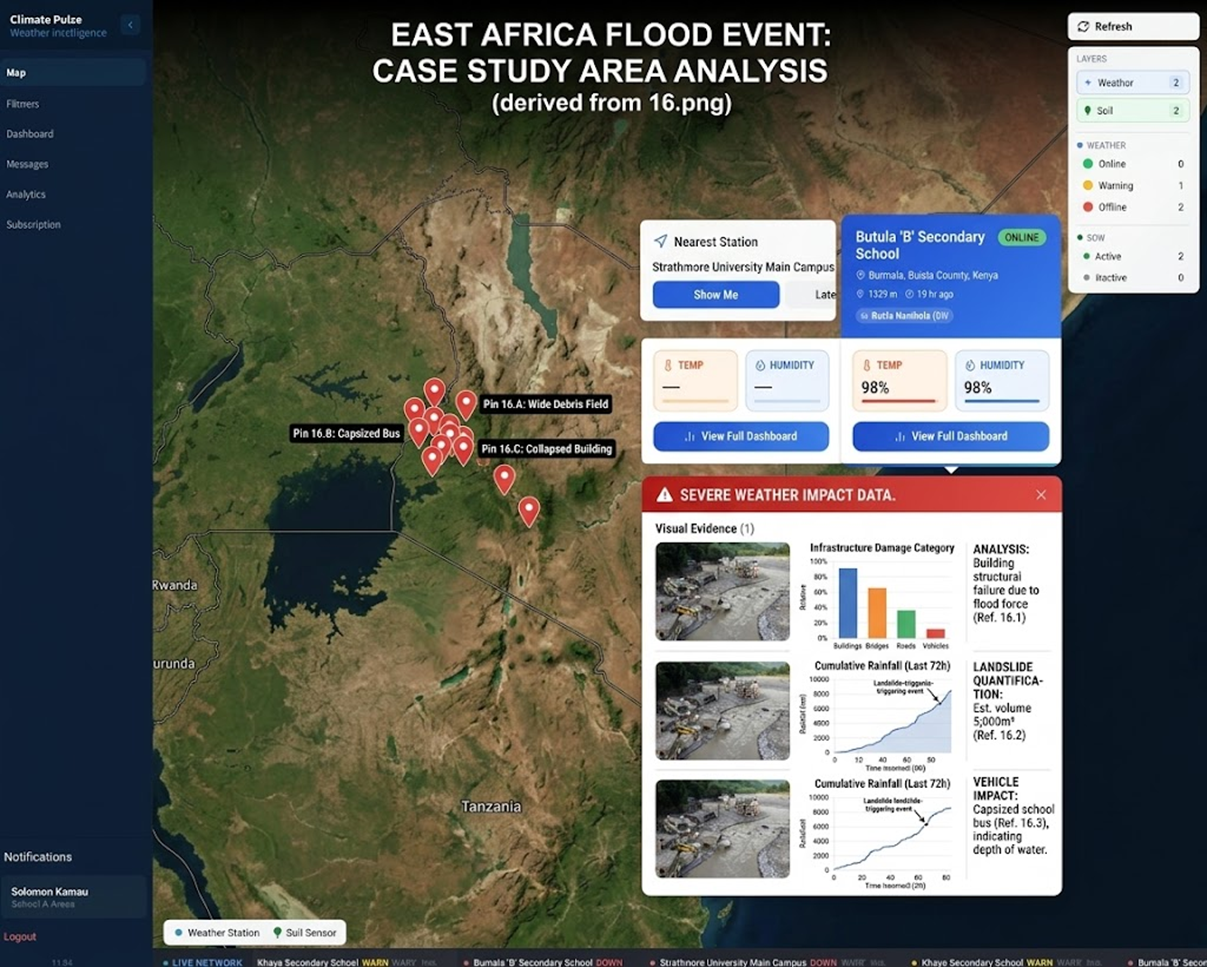
Using networks and real-time environmental data to support climate resilience for communities and partners.
According to the World Meteorological Organisation (WMO), Africa bears an increasingly heavy burden from climate change and disproportionately high costs for essential climate adaptation. Temperatures are increasing slightly above the global average, multi-year droughts threaten the Arid and Semi-Arid Lands (ASALs) of the continent and extreme flash floods result in loss of livelihoods, livestock, cropland and destructions to small businesses. Such has been the experiences for over a decade now and as recent as between 2023 and 2025 in Kenya, Uganda, Ethiopia, Benin and many other African countries. The countries are said to lose 2-5% of Gross Domestic Product (GDP) with the cost of climate adaptation estimated to be between US $30-50 billion annually over the next decade.
The impending El Niño poses significant risks for the African continent, with the potential to intensify existing vulnerabilities related to flooding, drought, heat stress, and public health crises. Many African cities and rural areas—already challenged by rapid urbanisation, inadequate infrastructure, and limited resilience—are particularly susceptible to the disruptive effects of extreme weather patterns associated with El Niño. These impacts may include increased frequency and severity of floods, crop failures, water scarcity, and heightened spread of waterborne and vector-borne diseases. The situation underscores the urgent need for coordinated investment in climate-resilient infrastructure, integrated urban planning, widespread public awareness campaigns, and strong governance.
At Wireless Planet, we are already working with stakeholders such as the Stockholm Environment Institute (SEI) among others to demonstrate two critical intersections. First, we bring together advanced technologies to disseminate data-driven insights and tailored advisories on climate information and adaptation, while actively inviting public awareness and participation in climate resilience efforts. Second, to foster industry collaboration to ensure the sustainability of the technology-based interventions, with a particular focus on developing scalable models that can be expanded for sustainability in climate innovation.Explore More
Other Focus Areas
Connectivity and RF Spectrum Innovation
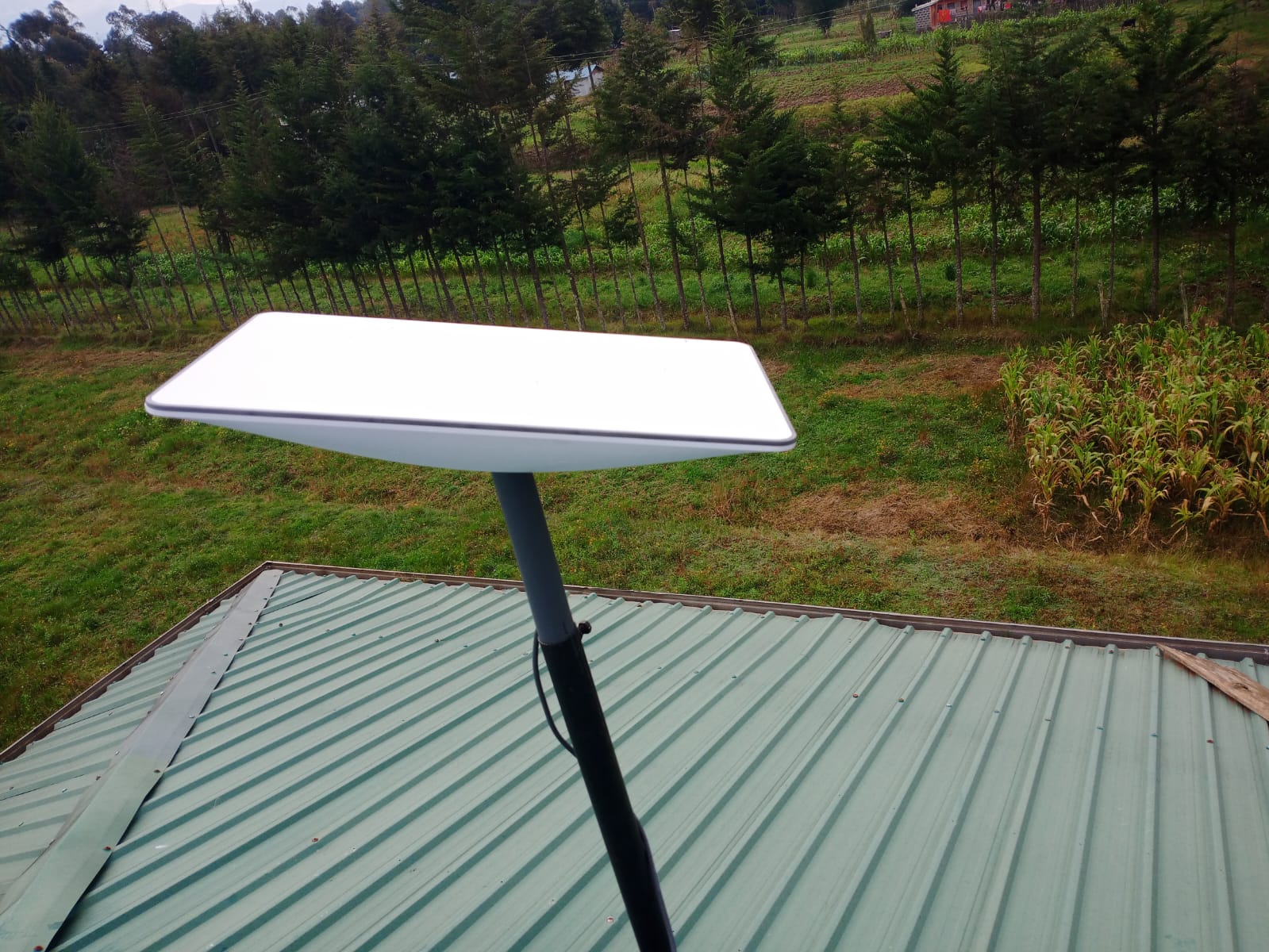
Advancing wireless access models, spectrum use, and last-mile networks for underserved communities.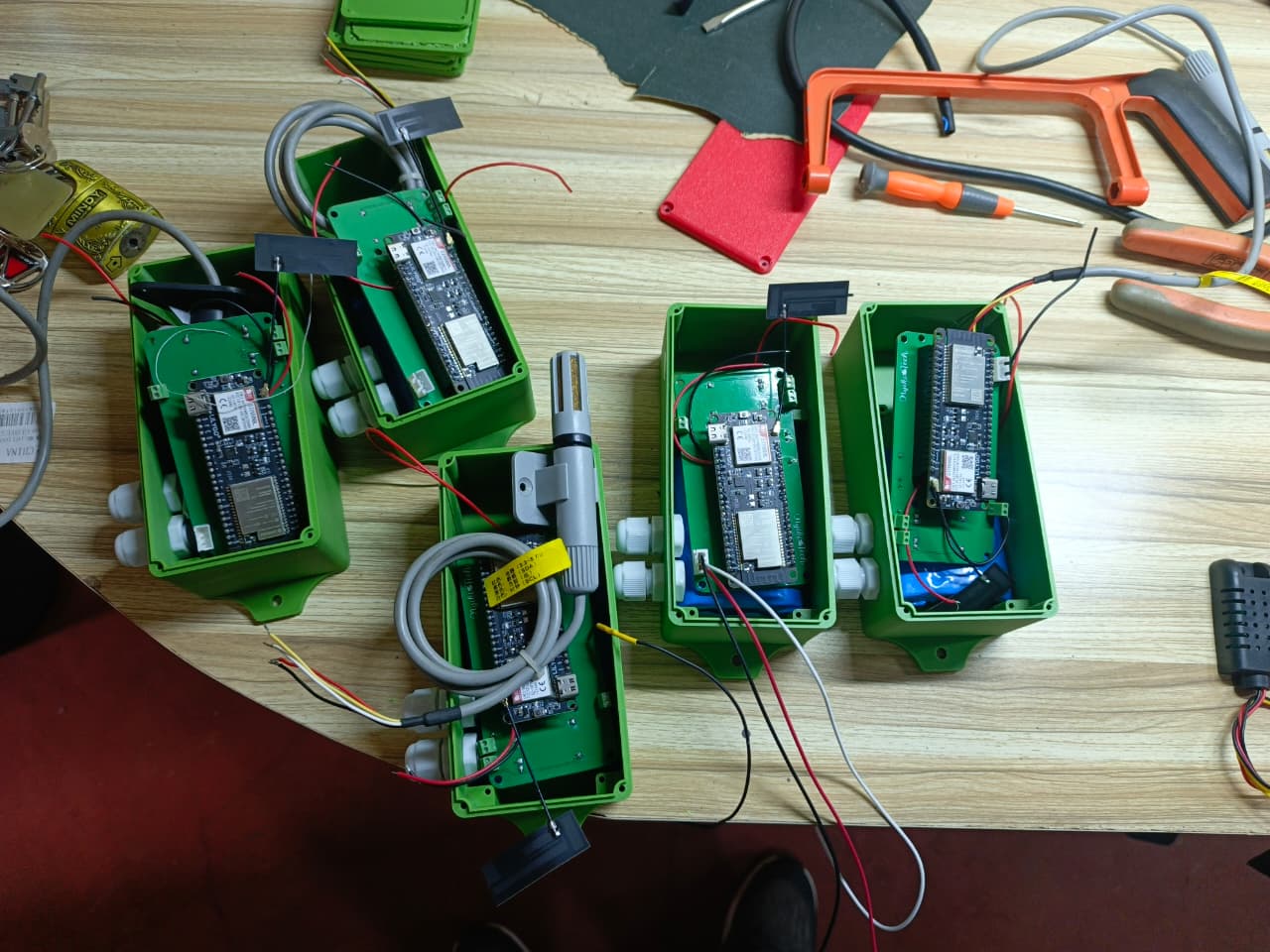
Internet of Things Innovation
Deploying IoT sensors and community networks to unlock agriculture, climate, and local innovation.